Compress a PDF to 100 KB
Runs on your device · Your file never leaves your device.
This page starts with the target already set to 100 KB. Some application forms set a limit around this size — check the number on the form you are filling in. Drop your PDF and download a file that fits.
The compressor does not simply crush the file to the smallest possible size. It searches for the best quality that still comes in under 100 KB, so your document stays as readable as the limit allows instead of arriving as an unreadable smudge.
If your PDF has many pages, reaching 100 KB may require heavy compression. When even the lowest quality cannot get under the limit, the tool says so and shows the best size it reached — nothing is silently delivered as if it had fit. Switch the mode to Split, and the same tool cuts the document into parts that each stay under 100 KB.
Worked example: a measured run of this tool
We ran a 3-page scanned letter in English and Arabic (fictional) (539.3 KB) through this page in a browser, the way a visitor would, and checked what came out. The figures below were measured on the result, not estimated.
- Settings
- The page’s preset: 100 KB, Compress mode. Nothing else was changed. The tool counts 1 KB as 1,000 bytes and aims 1 KB below the limit.
- File size
- 539.3 KB → 95.6 KB (≤ 100.0 KB)
- Pages
- 3 → 3
- Opens as a valid file
- ✓
- English words present in the English lines (any order)
- 100 % (71 / 71) → 100 % (71 / 71)
- English text as written, in reading order
- 99.8 % → 99.8 %
- Numbers, totals and dates on their own line, English
- 5 / 5 → 5 / 5
- Arabic words present in the Arabic lines (any order)
- 95.2 % (60 / 63) → 93.7 % (59 / 63)
- Arabic text as written, in reading order
- 97.3 % → 94.3 %
- Numbers, totals and dates on their own line, Arabic
- 5 / 5 → 4 / 5 · ٠١٠٠٥٥٥٠١٩٩ → .١٠٠١.000-198 — check failed
- Time taken in the test browser, button to result
- 1.1 s
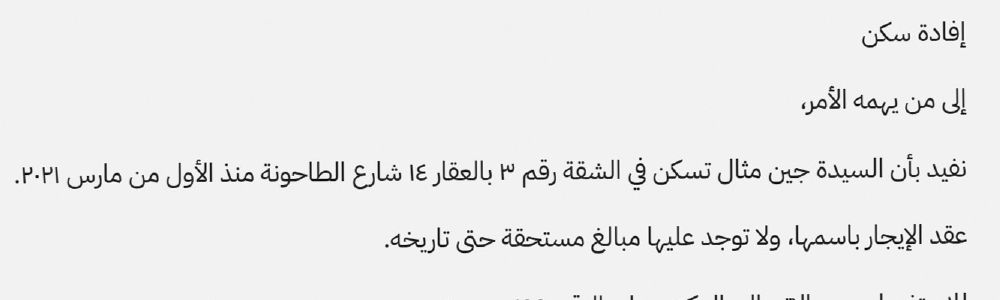
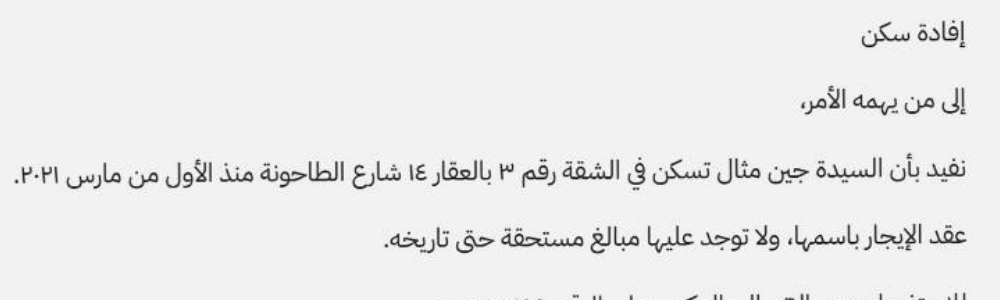
What this example does not show: To reach the size, every page becomes an image, so the text in the result cannot be selected or searched. Text recognition was run on the original and on the result, and the rows above show what it read in each: compression can cost some of the numbers on the Arabic page. This scan is three greyscale pages; many pages of colour photographs may not fit in 100 KB, and then the tool says so instead of handing over a file that is too big. You can switch the same tool to Split for that.
Measured on 2026-10-04 with the site’s own code (build 5a72bc1). Files: scanned-letter-3-pages.pdf result
How to compress a PDF to 100 KB
- Drop your PDF onto the box, or tap it to pick the file from your device.
- The target is already set to 100 KB, so you do not need to choose anything — change it only if your form allows more.
- Press Compress; the pages are re-rendered while the tool searches for the best quality that still fits.
- Download the finished PDF. If the limit could not be reached, the tool tells you the smallest size it managed; switch to Split to get parts that each fit.
Supported formats and limits
- Input
- PDF (any version)
- Output
- PDF under your target size
- Target sizes
- 100 KB by default; any KB or MB value
- Where it runs
- Entirely in your browser; nothing uploaded
- File size
- Limited by your device memory, not by a server quota
Not for: Keeping selectable text — compression rasterises pages to hit an exact size, so the result is a visual PDF.
Frequently asked questions
- Are my files uploaded to a server?
- No. This conversion runs inside your browser using your own device’s processing power, and the file is not uploaded. Once a tool has been used once (video, text recognition and background removal download their engine from this site the first time), it keeps working when your connection drops.
- Why does my file come out at 96 KB and not exactly 100 KB?
- The limit is a ceiling, not a goal. The tool returns the highest-quality version that stays under your number, which normally lands just below it.
- The result is unreadable — what can I do?
- Remove pages you do not need before compressing, or raise the target if the form allows. Scanned pages full of photographs need far more data than text pages to stay legible.
Other sizes and destinations
Related tools
This page in other languages: العربية